

Jump To:
It’s every homeowner’s worry when facing water damage: will I have to pack up and move out while repairs happen? At AIM Green Restoration, we are experts at water damage restoration, and we’re asked this question constantly by Columbus homeowners, and honestly, the answer isn’t always straightforward. Sometimes you can stay put, other times it’s safer to temporarily relocate. Let’s break down what determines whether you’ll be sleeping in your own bed or booking a hotel during the restoration process.
Factors That Determine If You Can Stay
The decision about staying in your home isn’t made lightly. We evaluate several key factors before giving you the green light to remain during restoration work.
Type and Extent of Water Damage
Clean water from a broken supply line? That’s generally easier to manage while living onsite. However, sewage backups or flooding involving contaminated water means you’ll likely need to leave for health and safety reasons. The scope matters too. A single bathroom with water damage is manageable, but widespread flooding throughout multiple rooms typically requires vacating the property.
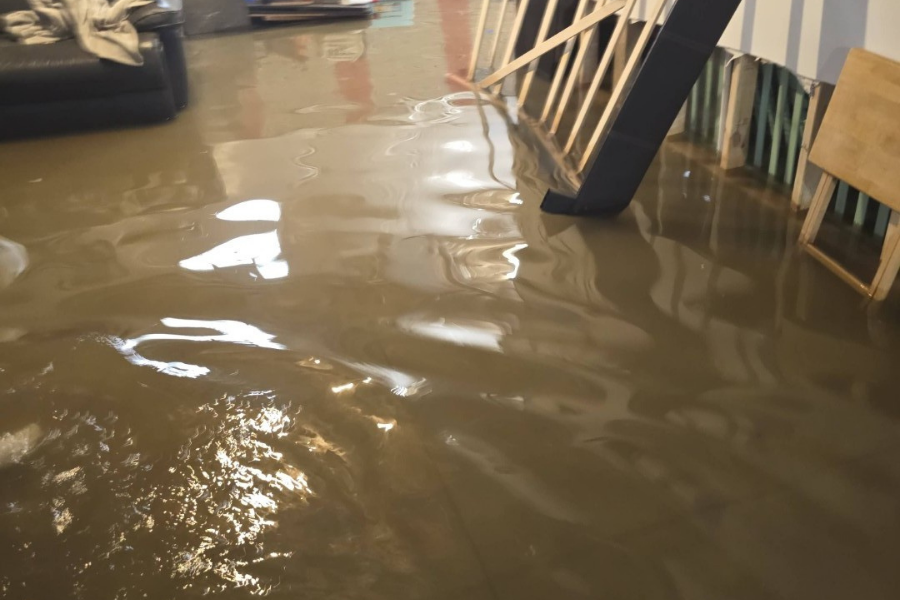
Standing water throughout living spaces often necessitates temporary relocation during cleanup.
Structural Safety
If water has compromised structural elements like ceiling joists, floor supports, or load-bearing walls, staying put isn’t an option until engineers give the all-clear. Your safety trumps convenience every time.
Equipment Noise and Disruption
Water extraction equipment, industrial dehumidifiers, and air movers run 24/7 during the drying process. Think jet engine volume throughout your home. We’ve had homeowners tough it out, but most find the constant noise makes it impossible to sleep, work, or maintain any semblance of normal life.
Need Water Damage Help in Columbus?
Our team responds in 60 minutes, 24/7. We’ll assess your situation and help determine the best restoration plan for your family.
What to Expect: The Restoration Timeline
Understanding the restoration process timeline helps you plan whether staying home is realistic for your situation.
| Phase | Duration | Can You Stay? |
|---|---|---|
Emergency Water Extraction | 1-2 days | Possibly, depending on damage extent |
Drying & Dehumidification | 3-5 days | Difficult due to equipment noise |
Demolition & Removal | 1-3 days | Not recommended |
Reconstruction | 1-3 weeks | Often possible with some inconvenience |
The entire process typically takes anywhere from one week to a month, depending on damage severity. During the first 48 hours, quick action is critical to prevent mold growth and secondary damage.
When It’s Safe to Stay
You can usually remain in your home during water damage restoration if:
- Damage is contained to one area: A single room like a bathroom or laundry room that can be isolated from living spaces.
- Clean water source: The water came from supply lines, not sewage or external flooding.
- No structural concerns: Floors, ceilings, and walls remain structurally sound.
- Basic utilities work: You still have functioning plumbing, electricity, and heating or cooling.
- You can tolerate disruption: Noise, workers, and restricted access to certain areas won’t derail your daily routine.
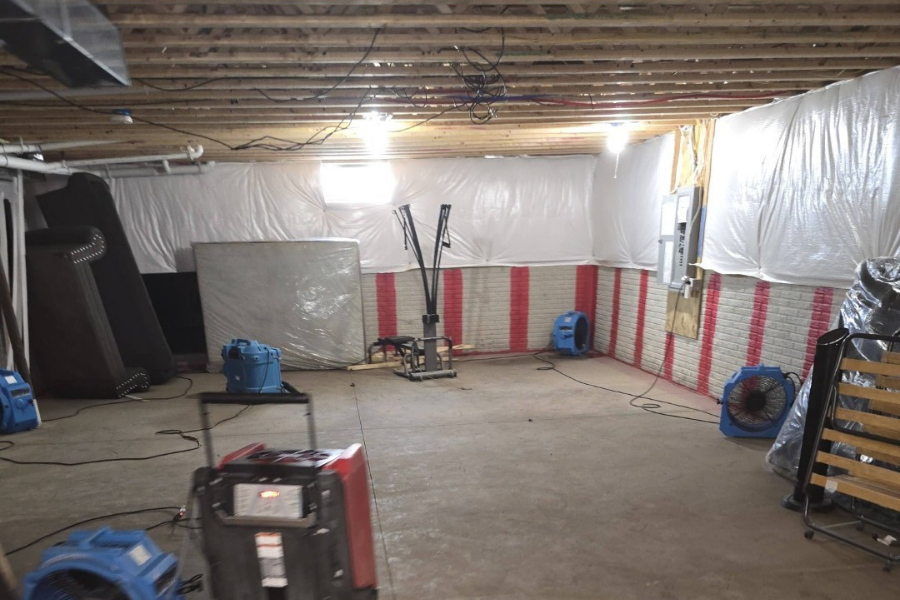
Industrial drying equipment runs continuously but may allow you to stay if damage is limited to basement areas.
When You Should Leave
We’ll recommend temporary relocation if:
- Contaminated water is involved: Sewage, flood water, or Category 3 water requires specialized cleanup and poses serious health risks.
- Mold is already present: Extensive mold remediation involves containment procedures and airborne spores that make staying unsafe.
- Major structural work is needed: Ceiling or floor removal, wall demolition, or foundation repairs.
- Essential utilities are compromised: No running water, electricity, or heat during Ohio winters makes staying impractical and potentially dangerous.
- Children, elderly, or immune-compromised family members: These groups are more susceptible to health issues from moisture, dust, and potential contaminants.
Homeowner Checklist for Living Onsite During Restoration
If you’re staying during restoration work, here’s how to make it manageable:
Safety First
- Keep children and pets away from work areas
- Never touch electrical equipment if floors are wet
- Wear shoes in affected areas to avoid slips
Communication
- Exchange phone numbers with your project manager
- Establish daily check-in times
- Ask questions when you don’t understand something
Practical Preparations
- Set up a temporary living space away from construction
- Stock up on ear plugs for sleeping
- Plan meals that don’t require full kitchen access
- Arrange alternative spaces for remote work or school
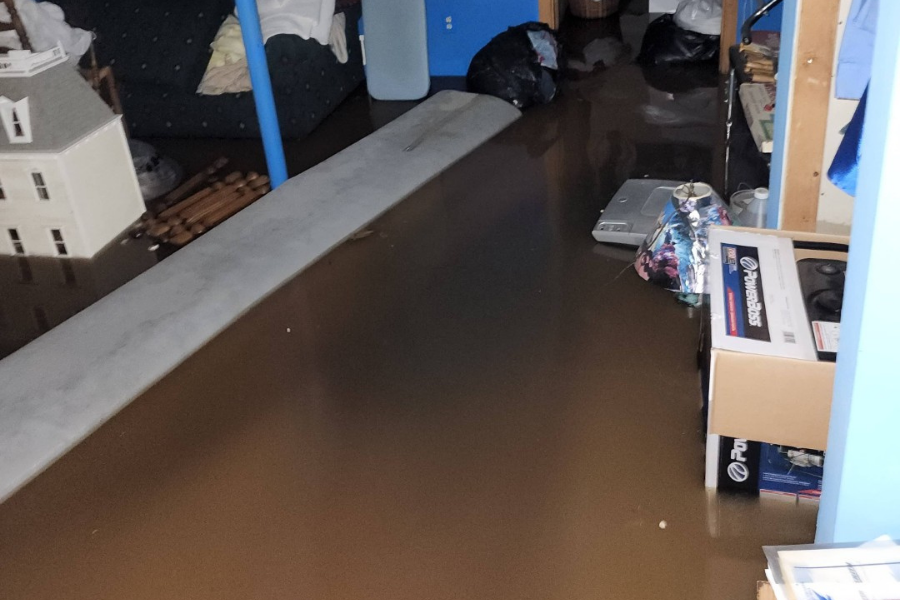
Water damage near living spaces requires prompt attention to prevent spread to other areas.
What We Do to Minimize Disruption
At AIM Green Restoration, we understand this is your home, not just a job site. Our crews work efficiently, contain dust and debris, and maintain clear pathways through your house. We set realistic expectations about noise levels and work hours, and we’re always available to address concerns as they come up. Your comfort matters to us.
Frequently Asked Questions
How long will the equipment need to run in my home?
Industrial dehumidifiers and air movers typically run 3-5 days continuously. We monitor moisture levels daily and remove equipment once readings show your home has reached safe dryness levels. The timeline varies based on the extent of water damage and your home’s materials.
Will my insurance cover hotel costs if I need to leave?
Many homeowners insurance policies include “loss of use” or “additional living expenses” coverage that pays for temporary housing when your home is uninhabitable. We work directly with insurance companies and can help you understand your coverage. Contact your insurance agent as soon as water damage occurs to clarify your policy details.
Can I still use my kitchen and bathrooms during restoration?
It depends on which areas are affected. If water damage is limited to your basement or a single bathroom, other areas remain fully functional. However, if damage involves your kitchen or main bathroom, you may have limited access. We’ll discuss workarounds and set up temporary solutions when possible to maintain basic functionality.
What should I do with my belongings in water-damaged rooms?
We’ll help you sort items into three categories: salvageable, questionable, and total loss. Salvageable items get moved to dry areas or our secure storage facility. Porous items that absorbed contaminated water, like carpets and upholstered furniture, often cannot be saved. We document everything for your insurance claim and provide guidance on what can be professionally cleaned versus what needs replacement.
Water damage is stressful enough without the uncertainty of where you’ll sleep tonight. Our team at AIM Green Restoration handles water emergencies across Columbus, Worthington, Dublin, and Hamlin with one goal: getting your life back to normal as quickly and safely as possible. We’ll be straight with you about whether staying home is realistic for your situation, and if you do need to leave temporarily, we’ll work around the clock to minimize that timeline. Call us anytime at (614) 877-8855, and we’ll be there in 60 minutes or less to assess your situation and provide honest answers.


