

Jump To:
- 1. Persistent Musty Odors in Your Laundry Room
- 2. Warped or Discolored Flooring Around Your Machine
- 3. Water Stains or Bubbling Paint on Nearby Walls
- 4. Visible Mold Growth Behind or Beneath the Washer
- 5. Soft Spots or Sagging in the Floor
- 6. Rust or Corrosion on Metal Components
- How to Prevent Hidden Water Damage From Washing Machines
- Frequently Asked Questions
Your washing machine works hard to keep your family’s clothes clean, but when it starts leaking, the damage it causes can go unnoticed for weeks or even months. Unlike a burst pipe or an overflowing toilet, washing machine leaks tend to be slow and sneaky, hiding behind cabinets, under flooring, and inside walls. By the time you realize there’s a problem, you might be dealing with serious water damage that needs professional restoration.
We’ve seen this scenario play out countless times here in the Columbus Metro Area. A homeowner notices a slight dampness near the washing machine, shrugs it off, and months later discovers mold growing behind the walls or sagging floors that need to be replaced. That’s why we’re breaking down the hidden signs that your washing machine leak is doing more damage than you think.
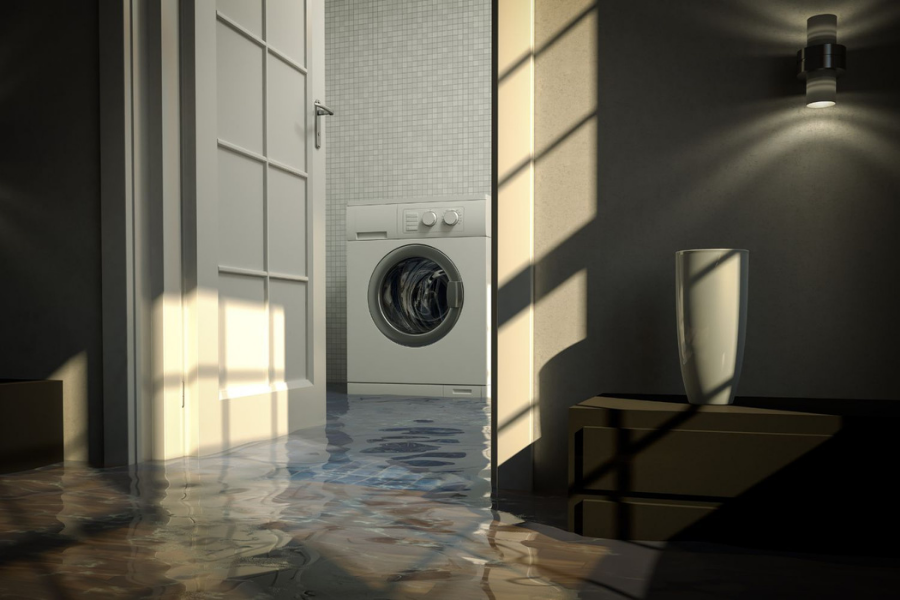
Water pooling around a washing machine can seep into floors and walls, causing hidden structural damage.
1. Persistent Musty Odors in Your Laundry Room
If your laundry room smells like a damp basement even though everything looks dry, that’s your first clue. Musty odors are a telltale sign that moisture is trapped somewhere it shouldn’t be. Washing machine leaks often seep into subflooring, insulation, or wall cavities where the dampness lingers and creates the perfect breeding ground for mold.
The tricky part? You might not see any water on the surface. The leak could be happening behind the machine, under the flooring, or even inside the wall where your supply lines run. If the smell doesn’t go away after cleaning, it’s time to investigate further. According to the EPA’s guide to mold and moisture, persistent odors often indicate hidden moisture problems that need professional assessment.
Ready to Address Water Damage?
Don’t wait for a small leak to turn into a major problem. Our team at AIM Green Restoration responds in 60 minutes or less to help Columbus homeowners protect their property. We handle everything from water extraction to mold prevention.
2. Warped or Discolored Flooring Around Your Machine
Take a close look at the floor directly under and around your washing machine. Is the vinyl curling up at the edges? Are your floorboards starting to buckle? Maybe you’ve noticed dark staining on the linoleum that won’t scrub away. These are classic signs that water has been seeping into your flooring for a while.
Wood and laminate flooring are especially vulnerable. Even small amounts of water can cause wood to swell, warp, and eventually rot. Tile grout can also deteriorate from constant moisture exposure, allowing water to seep into the subfloor beneath. If you’re seeing any of these changes, the damage has likely spread beyond what’s visible on the surface.
3. Water Stains or Bubbling Paint on Nearby Walls
Washing machine supply lines run through your walls, and when those hoses develop slow leaks, water travels along the pipes and soaks into drywall. You might notice yellowish or brownish stains appearing on walls near your laundry room. Paint might start bubbling or peeling, or the drywall itself could feel soft to the touch.
This type of hidden damage is particularly concerning because it can compromise your home’s structural integrity over time. Drywall that stays damp will crumble and need replacement, and the wooden studs behind it can start to rot.
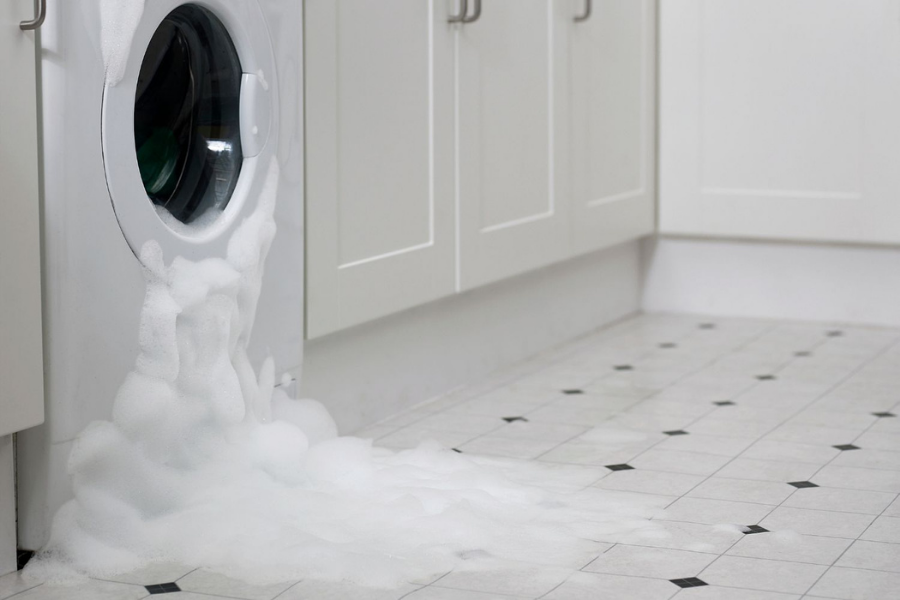
Overflowing washing machines can send gallons of water into hidden areas of your home.
4. Visible Mold Growth Behind or Beneath the Washer
If you’ve mustered up the courage to pull your washing machine away from the wall and found black, green, or white fuzzy growth, you’re looking at mold. Mold can start developing within 24 to 48 hours after water exposure, and it loves the dark, damp environment behind appliances.
Even a small patch of visible mold is a red flag that there’s more lurking where you can’t see it. Mold spreads through spores and can quickly colonize larger areas of your home, affecting indoor air quality and potentially causing health issues for your family. Our team handles comprehensive mold remediation for water-damaged homes throughout the Columbus area.
Warning Signs of Mold From Washing Machine Leaks:
| Sign | What It Means | Action Needed |
|---|---|---|
| Black spots on walls | Active mold colony growing | Professional remediation |
| Musty smell | Hidden moisture or mold | Inspection and testing |
| Allergic symptoms indoors | Mold spores in the air | Air quality testing |
| Discolored grout or caulk | Prolonged moisture exposure | Removal and replacement |
5. Soft Spots or Sagging in the Floor
This one’s serious. If you step near your washing machine and feel the floor give way slightly, or if you notice any sagging or dipping, you’re dealing with significant structural damage. Water that’s been leaking for an extended period has likely rotted the subflooring, joists, or support beams beneath your laundry room.
Soft spots in the floor are not just cosmetic issues. They’re safety hazards. In severe cases, a compromised floor can collapse under the weight of a full washing machine, causing even more damage and potential injury. If you suspect this kind of damage, stop using the appliance immediately and call a restoration professional to assess the situation.
6. Rust or Corrosion on Metal Components
Check the metal legs of your washing machine, nearby pipes, or any exposed metal hardware in your laundry room. If you’re seeing rust or corrosion, that’s a sign of ongoing moisture exposure. Metal doesn’t rust from occasional splashes. It rusts when it’s consistently damp.
Corroded pipes are especially concerning because they can lead to bigger leaks down the road. A small, slow leak today can turn into a catastrophic pipe failure tomorrow, flooding your home with gallons of water in minutes.
Regular washing machine maintenance can help prevent leaks before they start causing hidden damage.
How to Prevent Hidden Water Damage From Washing Machines
The good news? Most washing machine water damage is preventable with a little proactive maintenance. Here are some steps you can take to protect your Columbus home:
- Inspect hoses every six months: Look for cracks, bulges, or signs of wear on both supply and drain hoses. Replace them every 3-5 years, even if they look fine.
- Install a washing machine pan: A drain pan under your washer can catch small leaks before they soak into your floor.
- Don’t overload the machine: Overloading puts extra stress on hoses and connections, increasing the risk of leaks.
- Turn off water supply when not in use: If you’re going on vacation or won’t be doing laundry for a while, shut off the water valves to prevent pressure buildup.
- Keep the area clean and dry: Regularly clean around your washing machine and wipe up any spills or moisture immediately.
If you’ve experienced water damage in other areas of your home, you might also want to learn more about when mold testing is necessary or how to handle minor mold growth safely.
Frequently Asked Questions
How long does it take for water damage from a washing machine leak to cause mold?
Mold can start growing within 24 to 48 hours after water exposure. If you suspect a leak, it’s critical to address it immediately to prevent mold colonization. We respond to emergency calls throughout Columbus in 60 minutes or less to help prevent mold from taking hold.
Can I fix water damage from a washing machine leak myself?
Small surface leaks might be manageable with DIY cleanup, but hidden water damage requires professional equipment to locate moisture, properly dry affected areas, and prevent mold growth. If you’re seeing warped floors, wall stains, or mold, it’s best to call in certified restoration experts to ensure thorough remediation.
Will my homeowners insurance cover washing machine water damage?
Most homeowners insurance policies cover sudden and accidental water damage, including washing machine leaks. However, damage from lack of maintenance or gradual leaks may not be covered. We work directly with insurance companies to help document damage and streamline the claims process for Columbus homeowners.
How much does it cost to repair water damage from a washing machine?
Costs vary widely depending on the extent of the damage. Minor repairs might involve replacing flooring or drywall, while severe damage could require subfloor reconstruction and mold remediation. The best way to minimize costs is to address leaks quickly before they cause extensive hidden damage. We offer free estimates to help you understand the scope of work needed.


