

Jump To:
Water damage doesn’t wait around, and honestly, neither should you. When you discover water in your home or business, that first hour can make the difference between a manageable cleanup and a full-blown disaster. We’ve seen it time and time again here in the Columbus Metro Area, whether it’s a burst pipe during a February freeze or a sump pump failure after heavy spring rains. Here’s exactly what you need to do in those critical first 60 minutes.
Before you do anything else, call professional water damage restoration services. Getting experts on the way early means help arrives faster, and that’s crucial. Our team at AIM Green Restoration averages a 60-minute response time because we know every minute counts.
Minutes 0-5: Stop the Water Source
First things first, you need to stop water from continuing to pour into your space. If it’s a burst pipe, shut off the main water valve. It’s usually in the basement, crawl space, or near the water meter. Can’t find it? Turn off the water at the street if you have access.

Acting quickly when you spot a leak can prevent thousands in damage
If the water is coming from an appliance like a washing machine or dishwasher, turn off the supply valve behind the unit. For toilet overflows, turn the valve at the base of the toilet. Once you’ve stopped the source, you can actually think clearly about next steps without water actively flooding your property.
Minutes 5-10: Assess the Damage Safely
Safety comes before everything else. Don’t walk into standing water if there’s any chance electrical outlets, appliances, or wiring are submerged. Water and electricity are a dangerous combination, and we’ve responded to too many close calls in Worthington and Dublin where homeowners put themselves at risk.
If you can’t safely assess the damage, wait for professional help. If it’s safe to proceed, take a quick mental inventory of what’s affected. Is it isolated to one room? Has it spread to multiple floors? Are ceilings sagging? This information helps restoration professionals prepare the right equipment before they arrive.
Get Help Fast
Water damage spreads fast, but our team at AIM Green Restoration moves faster. We’re available 24/7 for emergencies throughout the Columbus Metro Area.
Minutes 10-15: Call Professional Help
If you haven’t already, now’s the time to call a professional restoration company. Here’s what you need to know: not all water damage is created equal, and
Clean water from a supply line? That’s category 1. Gray water from appliances? Category 2. Black water from sewage or flooding? Category 3, and you absolutely need professionals for that. We handle all categories at AIM Green Restoration, and we’ll know exactly what equipment and safety protocols to use.
Minutes 15-25: Remove Valuable Items
Once you’ve called for help and confirmed it’s safe, start moving valuable items away from the water. Focus on irreplaceable stuff first: photos, documents, electronics, jewelry. Move furniture if you can safely lift it, but don’t hurt yourself trying to move heavy pieces.
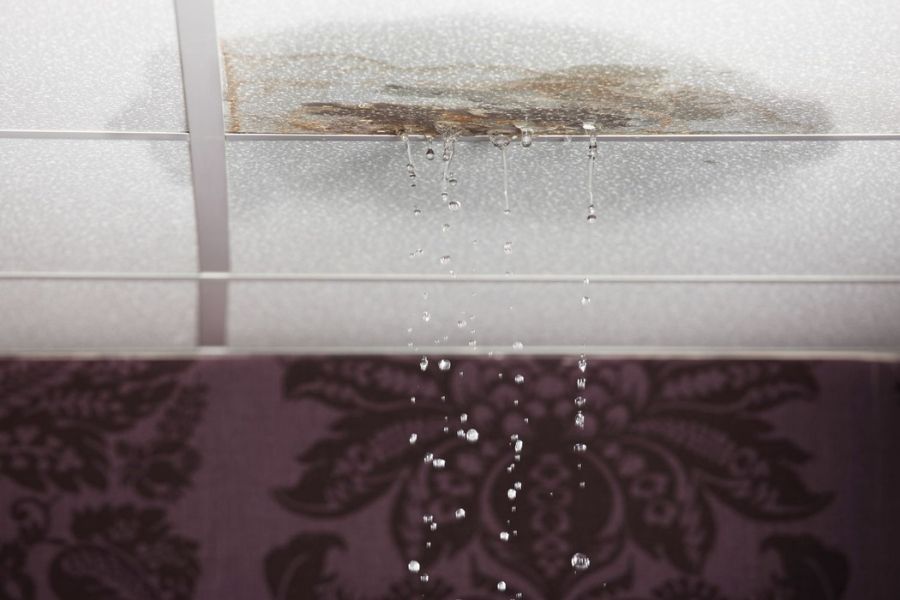
Ceiling leaks can cause extensive damage if not addressed immediately
Place aluminum foil or wood blocks under furniture legs to prevent staining on wet carpet. Prop up sofa and chair cushions to let them dry out. Small actions like these can save individual pieces while you’re waiting for professional equipment to arrive.
Minutes 25-40: Start Water Removal
You won’t have industrial water extractors on hand (we bring those), but you can start the removal process with what you have. Use a wet/dry vacuum if you own one. Mop up standing water with towels and wring them out into buckets. Every gallon you remove now is one less gallon soaking into your subfloors and walls.
| Action | Impact Level | Time Required |
|---|---|---|
| Stop water source | Critical | 0-5 minutes |
| Call professionals | Critical | 10-15 minutes |
| Remove valuables | High | 15-25 minutes |
| Begin water removal | High | 25-40 minutes |
| Increase ventilation | Medium | 40-50 minutes |
| Document damage | High | 50-60 minutes |
For smaller water events, this DIY approach might be enough. But here’s the reality: water seeps into places you can’t see. Behind walls, under flooring, into insulation. Even if your carpet looks dry on top, moisture underneath can lead to mold growth in as little as 24-48 hours.
Minutes 40-50: Improve Air Circulation
Open windows if weather permits. Turn on ceiling fans. Set up box fans if you have them. You want air moving through the affected areas to start the evaporation process. The more air circulation you can create, the better.
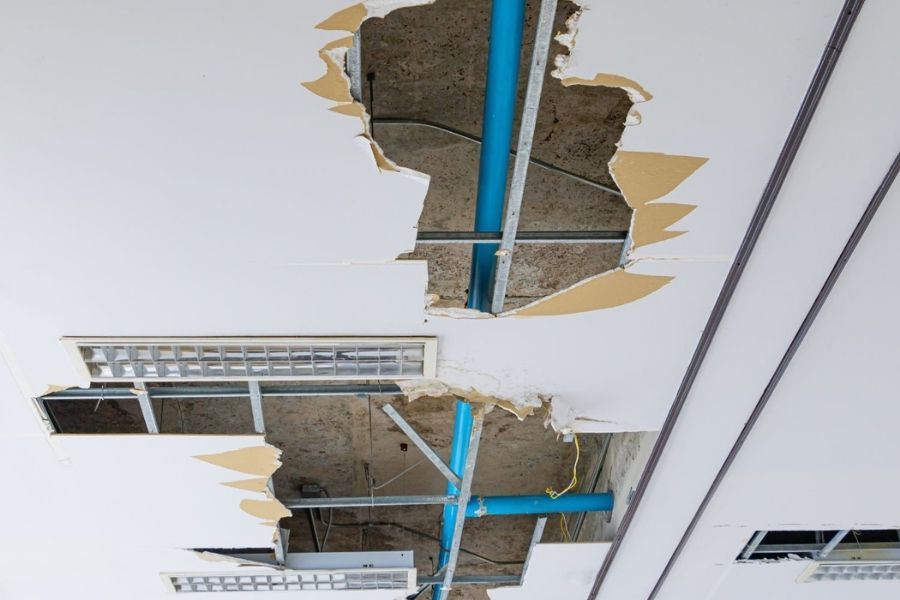
Commercial properties require professional assessment to identify all affected areas
If you have a dehumidifier, now’s the time to plug it in. But be realistic about what consumer-grade equipment can handle. Professional restoration teams use commercial dehumidifiers that pull 10-20 times more moisture from the air than household models. We’ll bring ours when we arrive, but yours can help in the meantime.
Minutes 50-60: Document Everything
Grab your phone and start taking photos and videos. Document everything: where the water came from, how far it spread, what got damaged, water levels on walls. Take pictures from multiple angles. This documentation is crucial for insurance claims, and the faster you document, the better.
Write down what happened while it’s fresh in your mind. What time did you discover it? What was the source? What actions did you take? This timeline helps everyone involved, from insurance adjusters to restoration professionals, understand the full scope of what happened.
Why 60 Minutes Matters in Water Damage Response
You might wonder why we focus so heavily on that first hour. The truth is, water damage is progressive. Within minutes, water spreads throughout your property, soaking into everything porous it touches. Within hours, it starts damaging drywall, wood flooring, and furniture. Within days, mold growth begins and structural damage accelerates.
The Clock Is Ticking
0-24 hours:
Water spreads, materials absorb moisture, drywall begins to swell
24-48 hours:
Mold and bacteria begin growing, metal surfaces tarnish, wood floors buckle
48+ hours:
Serious mold growth, structural damage worsens, restoration costs increase significantly
That’s why our 60-minute average response time matters so much. When you call AIM Green Restoration, we’re not just showing up, we’re arriving with the knowledge, equipment, and experience to stop the progression of damage. The EPA recommends acting within 24-48 hours to prevent mold growth, but we know even faster action produces better outcomes. We serve homes and businesses throughout Hamlin, Worthington, Dublin, and the entire Columbus Metro Area with the same urgency every time.
Our team has IICRC certification in water damage restoration, which means we follow proven protocols for extraction, drying, and preventing secondary damage. We’re not a national chain sending whoever’s available. We’re your neighbors, a family-owned business that’s been serving central Ohio since 2016, and we take every water emergency personally.
Once we arrive, we’ll conduct a thorough assessment using moisture meters and thermal imaging to find all affected areas, even ones you can’t see. We’ll extract remaining water with industrial equipment, set up commercial dehumidifiers and air movers, and create a drying plan specific to your property. Then we’ll monitor the drying process to ensure everything returns to pre-loss condition.
Frequently Asked Questions
Should I use bleach to clean up water damage?
No, avoid using bleach on water damage. Bleach doesn’t actually kill mold on porous surfaces, it just bleaches the color. Plus, it can be dangerous if you’re dealing with category 2 or 3 water contamination. Professional restoration teams use EPA-approved antimicrobials specifically designed for water damage situations.
Can I just let water-damaged areas air dry naturally?
Natural air drying rarely works for significant water damage. You need controlled drying with proper equipment to prevent mold growth and structural damage. Carpet padding, drywall backing, and subfloors hold moisture that won’t evaporate without professional extraction and drying equipment. What looks dry on the surface often isn’t.
How quickly can mold start growing after water damage?
Mold can begin growing within 24 to 48 hours in the right conditions. That’s why immediate action is so critical. Temperature, humidity, and the presence of organic materials all contribute to how quickly mold colonizes. This is especially common in Columbus basements during humid summer months.
Will my homeowner’s insurance cover water damage restoration?
Coverage depends on the cause of the water damage. Sudden and accidental incidents like burst pipes are typically covered, while gradual leaks or flooding from external sources may not be. We work directly with insurance companies and can help you navigate the claims process. Call us right away so we can document everything properly for your claim.
Water damage is stressful, but you don’t have to face it alone. Whether you’re dealing with a flooded basement after heavy rain or a burst pipe in the middle of the night, our team at AIM Green Restoration is ready to respond. We’re available 24/7, every day of the year, because water emergencies don’t wait for business hours. Take action in that first hour, and let us handle the rest.


